Get Your Kitchen Fire Suppression System in Compliance & on Your Way to Violation Removal
We Offer Kitchen Fire Suppression System Violation Removal Across NYC & the Tri-State Area
If you received a kitchen fire suppression system violation from your local fire department, it likely means your suppression system was not inspected on time, or the inspection was not administered by a certified company. Unfortunately, the responsibility for violations like these falls solely on the building owner. Read below to learn more about our technicians’ certifications and how we help you get your kitchen fire suppression system back into compliance, which is the first step in getting your violation removed.
Already received a kitchen fire suppression system violation? Call (718) 710-4854 now to start the violation removal process.
Avoiding Fines Is Possible
It’s possible to avoid fines for the violations your business has received. Start by aligning with a reliable fire and life safety partner who is certified to administer all of the necessary inspections your kitchen fire suppression system requires. That’s where TFP comes in.
A Reliable Fire & Life Safety Partner With Nationally Certified Technicians
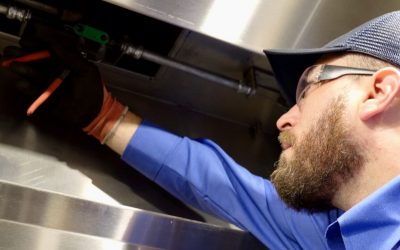
TFP and our highly-trained technicians are certified to inspect your kitchen fire suppression system, regardless of the type. We’ve helped thousands of businesses just like yours get back into compliance. This way, they were able to remove the violations and avoid paying hefty fines. But most importantly, they were able to keep their occupants and property safe.
We’ll run the proper inspections to ensure your kitchen fire suppression system meets all national and local fire codes, AHJ regulations, National Fire Protection Association (NFPA) standards, and are working properly in the event of an emergency.
After our work is completed, we provide you with a comprehensive report showing you exactly when your kitchen fire suppression system was inspected and when it is due for maintenance. This report allows you to accurately forecast when your suppression system will need maintenance for proper planning and budgeting. We also provide you with proactive inspection notifications, so you never miss a due date.
TFP offers kitchen fire suppression system violation removal services across NYC & the Tri-state area! Call now and our quick response teams will get the job done, no matter how large.
Looking to prevent future kitchen fire suppression system violations?